
Incorporating Native Plants in Your Landscape
In the world of landscape design, every element matters — from the hardscape materials beneath your feet to the plantings that shape your outdoor spaces. But few choices make as profound an impact on beauty, performance, sustainability, and connection to place as native plants. In the unique environment of South Lake Tahoe, where high elevations, intense sun, dry summers, and snow-heavy winters shape every landscape, native plants aren’t just a smart choice — they’re a cornerstone of elegant, resilient design.
What Makes a Plant “Native?”
A native plant is one that evolved naturally in a region’s specific climate, soils, and ecological relationships over thousands of years. In the Lake Tahoe Basin, native species—from bearberry and western columbine to sulphur flower buckwheat—are adapted to a mountain climate with cool nights, intense UV exposure, and periods of drought followed by deep snow cover. Rather than forcing traditional ornamental species to survive here, planting natives lets the landscape flourish on its own terms.
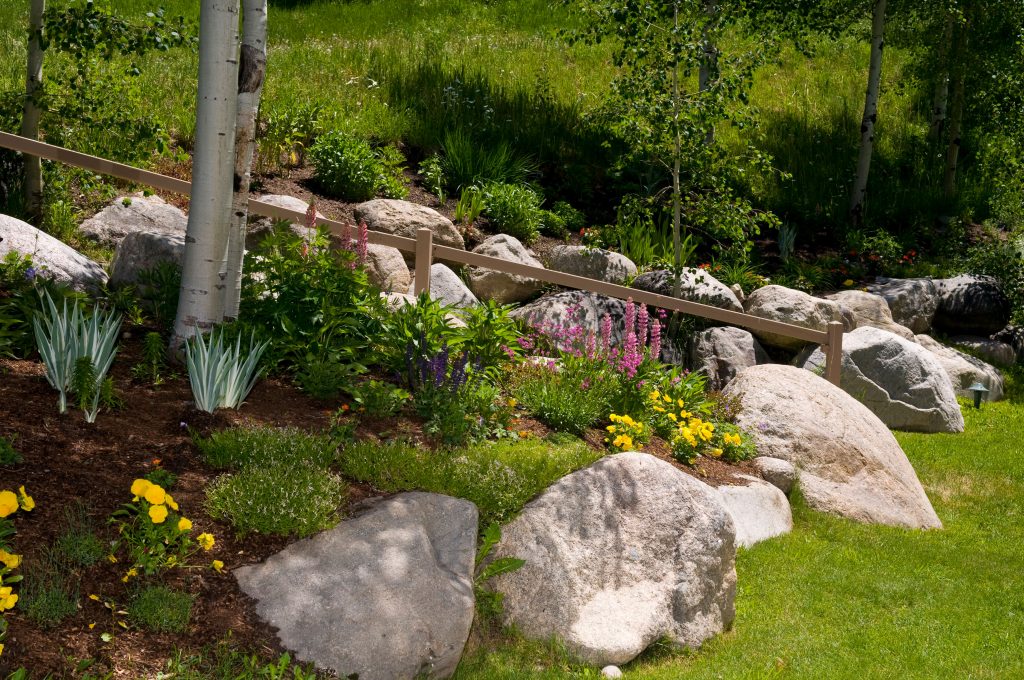
1. Climate-Adapted Performance & Water Efficiency
One of the most compelling advantages of native plants is that they are pre-adapted to local climate conditions—including the short growing season, variable moisture levels, and wind exposure typical of Tahoe. According to the Tahoe Friendly Garden design guide, native and climate-adapted plants are a key part of successful plant selection in this region.
These species have evolved survival strategies for limited summer water and cold winter conditions, meaning they typically require less supplemental irrigation once established, conserving both water and maintenance resources. In an area where sustainable use of water is essential for community health and environmental protection, this efficiency is both practical and responsible.
2. Resilience Without Compromise
Native plants have developed natural defenses against local pests and diseases, allowing them to thrive with minimal chemical inputs. Unlike non-native ornamentals that may need frequent fertilizers, fungicides, or insecticides to survive outside their native ranges, Tahoe natives hold their own — reducing landscape maintenance costs, improving plant health, and keeping chemical runoff out of local watersheds.
This resilience also contributes to long-term stability in your landscape design. Deep root systems help native plants establish secure footholds on slopes, reduce soil erosion, and enhance overall site stability — a benefit that is especially valuable for properties on hillsides or with significant grade changes.
3. Biodiversity That Compliments Tahoe’s Wild Character
South Lake Tahoe’s natural beauty is defined by its forested slopes, vibrant understory, and diverse wildlife. Integrating native plants into your landscape enriches this tapestry by providing habitat, food, and shelter for pollinators like bees and butterflies, as well as birds and small mammals. Native plant communities support local ecosystems in ways that exotic ornamentals simply cannot.
By choosing species that evolved here, you invite the natural rhythms of the region — seasonal blooms, migrating birds, and beneficial insects — into your property rather than displacing them. This connection to place is a defining characteristic of thoughtful mountain landscape design.
4. Authentic Aesthetic Appeal
Luxury landscapes do more than perform well — they tell a story. Native plants reflect the true character of the Sierra Nevada with textures, colors, and forms that feel both harmonious and refined. The subtle blue foliage of sagebrush, the delicate blooms of penstemon, and the evergreen structure of manzanita provide layers of seasonal interest that change with the light, weather, and seasons.
Designing with natives allows for landscapes that are both elegant and deeply rooted in the natural beauty of the Tahoe Basin. This sense of authenticity resonates with homeowners, designers, and visitors alike.
5. Easier Maintenance & Long-Term Savings
Once established, landscapes planted with native species typically require less ongoing maintenance than traditional ornamental gardens. Because these plants are adapted to their environment, they need less pruning, fertilization, and irrigation — freeing up time, reducing costs, and minimizing the need for heavy equipment or chemical inputs.
For luxury properties where both performance and pristine presentation are expected, this translates into a landscape that looks exceptional year after year with less effort and fewer surprises.
Schedule your landscape design consultation today.
Our team knows what grows in Tahoe. Reach out today to schedule a consultation, and we can go over the potential of your outdoor space.