A complete guide

How to Plan & Prioritize Your Landscape Installation

A professionally designed landscape is much more than a collection of plants and hardscape features—it’s a carefully planned system where every element depends on the one before it. Whether you’re building a new outdoor living space from scratch or renovating an existing yard, completing your project in the proper order helps prevent costly rework, protects finished materials, and ensures the best long-term results.

At the same time, we understand that not every homeowner wants—or is able—to complete an entire landscape project in a single season. Budget, timing, and personal priorities often make it necessary to phase a project over several months or even years. The good news is that with thoughtful planning, a landscape can be built in stages while still maintaining a cohesive final vision.
Here’s how a typical landscape installation is completed, why the order matters, and what phases make the most sense if your project needs to be spread out.

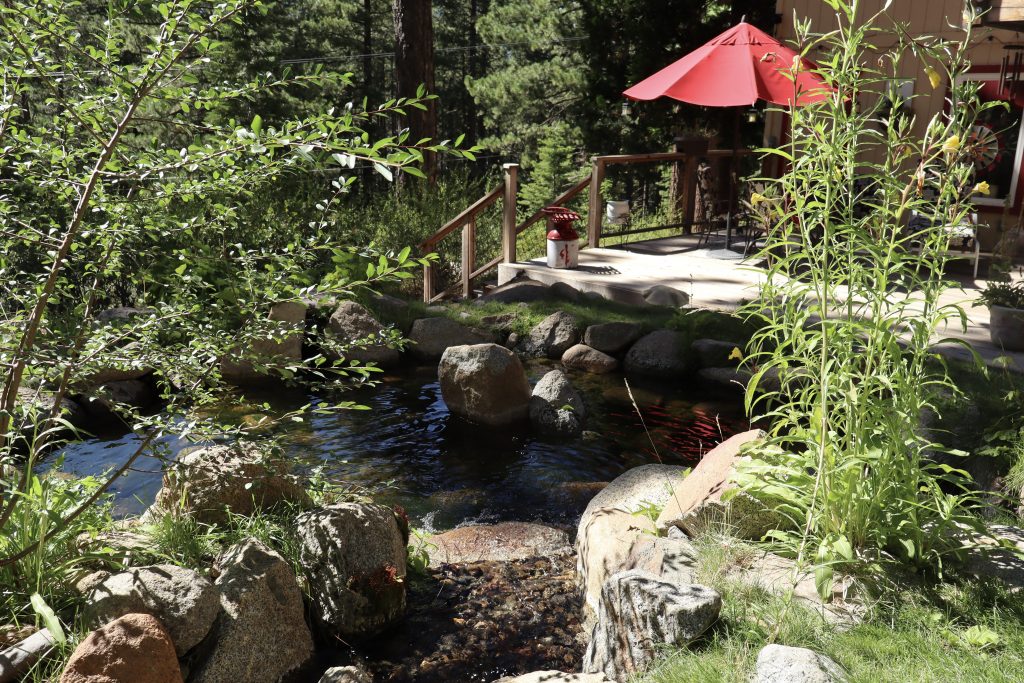
custom water feature with planting and pond

Why Installation Order Matters

One of the biggest mistakes homeowners make is installing attractive finishing elements before completing the infrastructure underneath them. Beautiful patios, healthy lawns, and mature plants can all be damaged if heavy equipment has to return later for drainage work, utilities, or grading.

Starting with the “behind-the-scenes” components first creates a strong foundation for everything that follows. It also minimizes unnecessary labor costs, reduces the chance of material damage, and helps every part of the landscape function as intended.

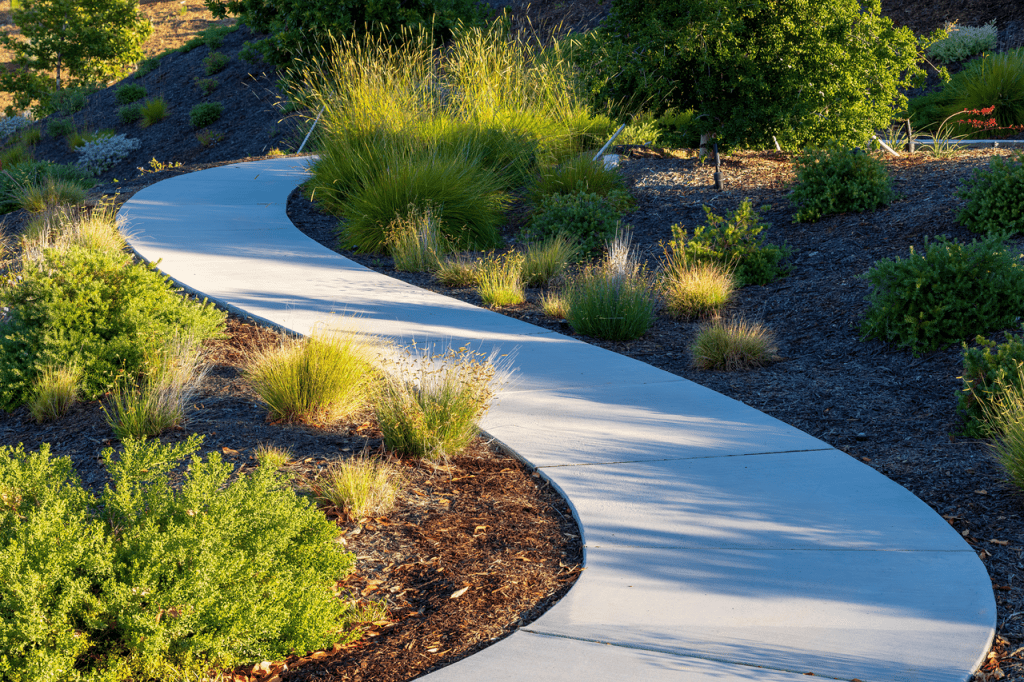
A winding concrete path through a lush green garden with diverse plant life.

Phase 1: Planning & Design

Every successful landscape begins with a comprehensive design. This stage includes: Site evaluation, measurements and grading analysis, drainage planning, material selection, permit review (when required), and budget planning.

A complete design also allows projects to be intentionally phased. Rather than treating each stage as a separate project, every phase works toward a unified final result.

Phase 2: Site Preparation and Demolition

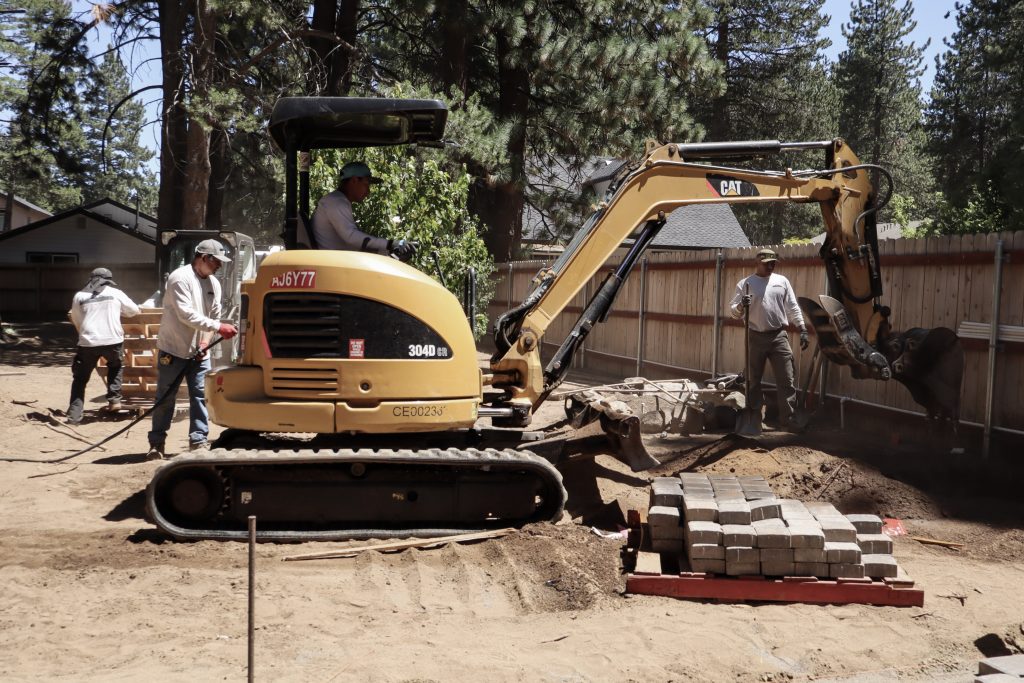
Before any new construction begins, the site needs to be prepared. This may include: Removing existing landscaping. demolishing old patios or retaining walls, clearing unwanted vegetation, excavation, and rough grading.

Although this isn’t the most exciting part of a project, it’s one of the most important. Proper site preparation ensures stable foundations and allows crews to identify any unexpected conditions before expensive finish materials are installed.

Phase 3: Utilities and Drainage

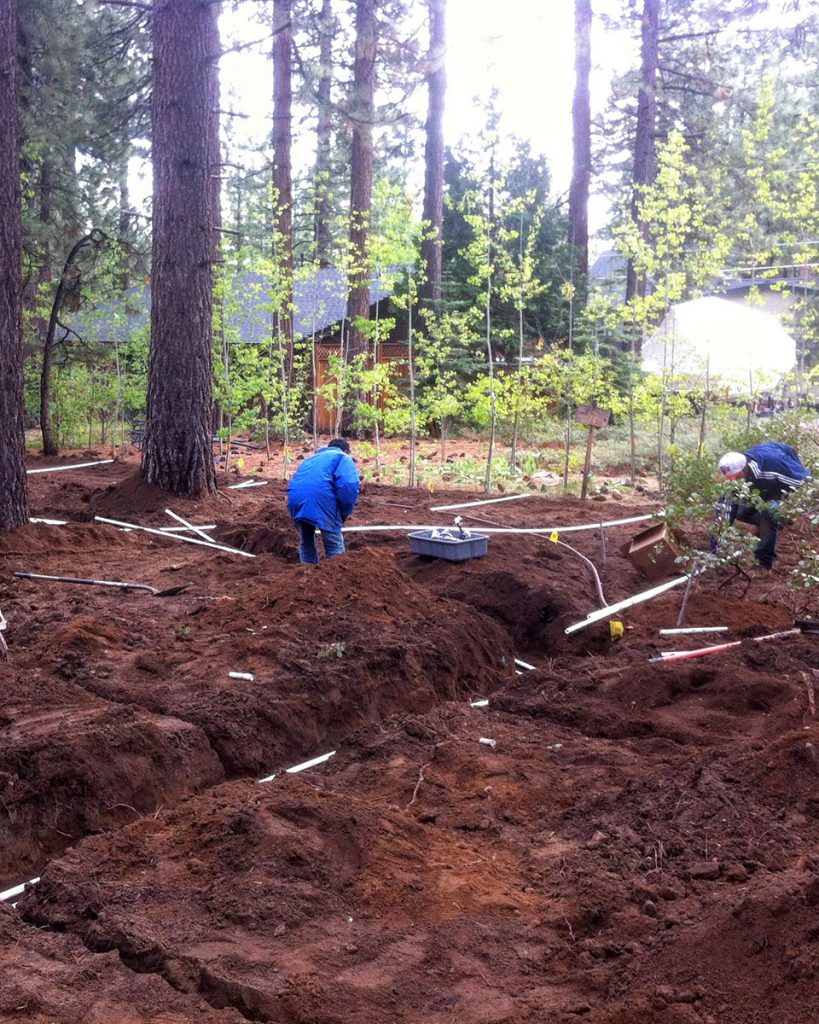
Next comes the infrastructure that most people never see—but every successful landscape depends on. This phase often includes: Drainage systems, irrigation sleeves and piping, electrical conduit, gas lines for fire pits or outdoor kitchens, water supply lines, or low-voltage lighting wiring.

Installing utilities before hardscape prevents the need to cut through finished concrete, pavers, or natural stone later.
Especially in the Tahoe area, proper drainage is critical. Snowmelt, seasonal runoff, and freeze-thaw cycles make water management one of the most important investments in any landscape project.

Phase 4: Structural Hardscape

Once the underground work is complete, construction moves to the permanent structural elements. This often includes: Retaining walls, stairs, patios, walkways, driveways, outdoor kitchens, or fire pits.

These features define how people move through the property and establish the overall layout of the landscape.
Because heavy equipment is often required during this stage, it should always be completed before installing plants or lawns whenever possible.

Phase 5: Irrigation Installation

While portions of the irrigation system may have been roughed in earlier, final sprinkler heads, drip systems, and controllers are typically installed after hardscape construction is complete.

This allows irrigation zones to be precisely adjusted around planting beds, lawn areas, and outdoor living spaces.
Efficient irrigation is especially valuable in mountain environments where growing seasons are shorter and water conservation remains important.ant investments in any landscape project.

Phase 6: Soil Preparation and Planting

Once construction is complete, attention turns to creating healthy growing conditions.

This includes: Importing quality planting soil, amending native soils where necessary, final grading, and installing plants, groundcover and mulch.

Healthy soil provides the foundation for long-term plant success and should never be overlooked simply to speed up installation.

Phase 7: Sod Installation

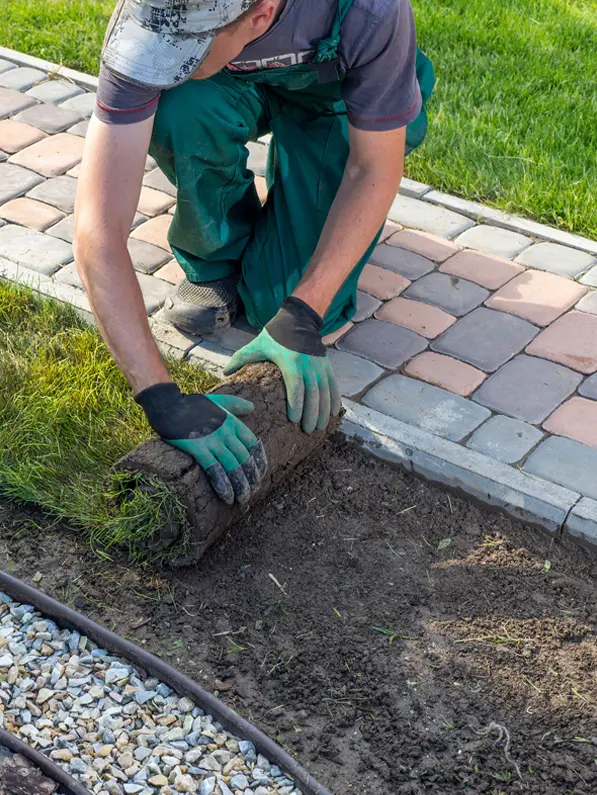
Sod lawns are usually installed near the end of the project.
Natural sod or seed benefits from having construction traffic completely finished before installation.
Waiting until the end helps protect these finished surfaces from damage.
Note that even though sod looks somewhat finished when it is first installed, it does take at least a couple of weeks to get established and we recommend limiting traffic as much as possible during that time period.

Phase 8: The Final Details

The final stage brings everything together. This often includes: Landscape lighting fixtures, decorative rock, bark or mulch, water feature startup, final irrigation adjustments, and a project walkthrough.

These finishing touches transform the construction site into a polished outdoor living space ready to enjoy.

Our Story

How to Determine the Ideal Timeframe for Your Landscape

While completing an entire landscape installation at one time is generally the most efficient and cost-effective approach, many homeowners choose to build in phases. If this is the right choice for you, it’s important to create a comprehensive plan to ensure efficient use of time, material, and money, and to ensure successful establishment of your landscape.
The key is planning those phases from the beginning rather than making decisions one project at a time.

Phasing Your Landscape Project

The key to building in phases is planning each step from the beginning rather than making decisions one project at a time.

A common phased approach looks like this:

Phase One: Site preparation, grading, drainage, and underground utilities.
Phase Two: Major hardscape such as patios, retaining walls, stairs, and driveways.
Phase Three: Irrigation, planting, and soil improvements.
Phase Four: Lawn or artificial turf, lighting, decorative features, and finishing touches.

By completing the hidden infrastructure first, each future phase becomes easier, less expensive, and far less likely to require removing completed work.

The Benefits of Completing Everything at Once

Although phasing is often a smart solution, there are several advantages to completing a landscape project in one coordinated installation.

– First, construction is typically more efficient. Equipment only needs to mobilize once, crews can work continuously, and materials are ordered together, often reducing overall costs.

– Second, the finished landscape matures evenly. Trees, shrubs, and lawns establish at the same time, creating a more cohesive appearance over the coming years.

– Third, homeowners avoid the inconvenience of multiple construction periods. Instead of having crews return every season, the disruption happens once and the property can simply be enjoyed afterward.

– Finally, completing everything together allows the contractor to fine-tune grading, drainage, irrigation, and planting as one integrated system rather than piecing it together over time.
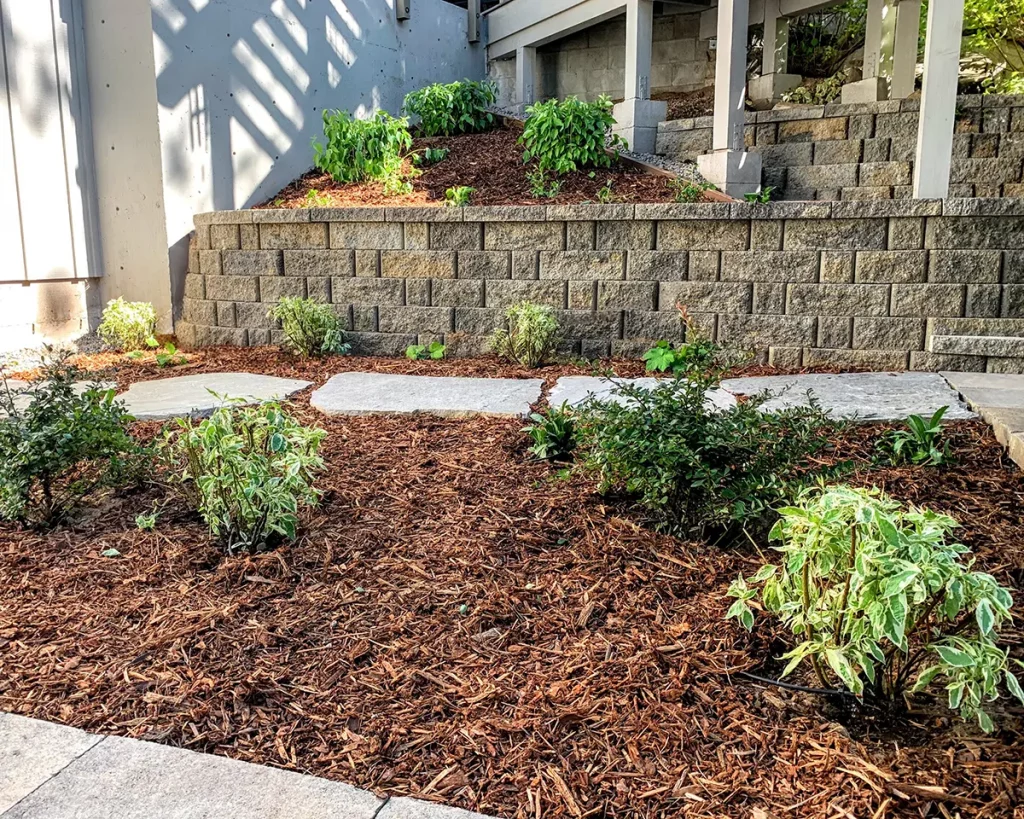
retaining wall next to flagstone steps and planted landscape installation

Build With the End Goal in Mind

Whether your landscape project takes one month or several years to complete, success begins with thoughtful planning. Every retaining wall, patio, planting bed, and irrigation line should contribute to a larger vision for your property.

If your budget allows, completing the entire project at once offers the greatest efficiency and the fastest path to enjoying your new outdoor space. If phasing makes more sense, working from a comprehensive master plan ensures each stage fits seamlessly into the next.

A well-planned landscape isn’t just built—it evolves with purpose. By following the proper installation sequence, you’ll protect your investment, reduce future costs, and create an outdoor environment that’s beautiful, functional, and built to thrive in the unique climate of the Tahoe region for years to come.

Take the next step

Schedule a Consultation Today

With over 30 years of experience, Earth & Stone Landscapes knows exactly what it takes to plan and build a quality outdoor space. Schedule a free consultation with us today.

530-544-4208

Scroll to Top